
High-consequence and natural-focal infections
Molecular detection for selected evidenced infections
SYNTOL provides assays for defined bacterial and viral targets, genotyping of selected bacterial isolates, and DNA/RNA extraction. The section covers only infections and pathogens supported by current products and is not an exhaustive regulatory list.
Selection starts with the specific pathogen. Each assay has its own target, sample scope, analytical method, and permitted diagnostic wording.
Evidenced pathogen groups
The current detection portfolio includes plague; anthrax; cholera and typhoid; brucellosis, glanders, and melioidosis; CCHF and Q fever; Venezuelan equine encephalitis and Japanese encephalitis; West Nile and Rift Valley fever; dengue and yellow fever; tick-borne encephalitis; Ebola and Marburg; Lassa, Machupo, and Junin; tularemia; rabies; orthopoxviruses; and hantaviruses/HFRS.
Laboratory sequence
Product-supported material
DNA/RNA extraction where required
real-time PCR-based detection
target-specific result
The section includes 16 OM-Screen assays for evidenced targets, two genotyping products, and M-Sorb-OOM for DNA/RNA extraction. Products serving adjacent sanitary, veterinary, or general laboratory tasks are not included in this area.
Documentation for many OM-Screen assays supports screening, monitoring, support of diagnosis, and pathogen indication. The section uses the neutral term molecular detection; stronger intended-use wording is shown only for the specific product.
The terms high-consequence and natural-focal infections are used in the current Russian public-health context. Here they identify the application area and do not imply that all presented products form one formal legal list or share a registration status.
Products for key stages
The section includes 16 OM-Screen assays for evidenced targets, two genotyping products, and M-Sorb-OOM for DNA/RNA extraction. Products serving adjacent sanitary, veterinary, or general laboratory tasks are not included in this area.
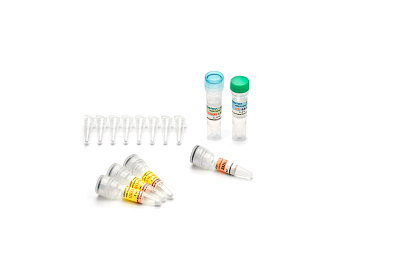
"OM-Screen-Plague-RT" reagent kit for detection of Yersinia pestis DNA and preliminary assessment of strain virulence
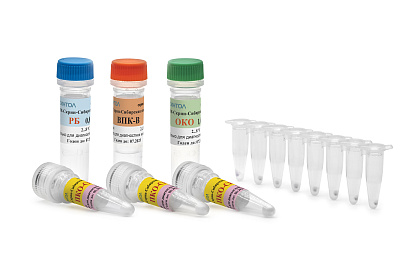
"OM-Screen-Anthrax-RT" reagent kit for detection of Bacillus anthracis DNA and preliminary assessment of B. anthracis strain virulence
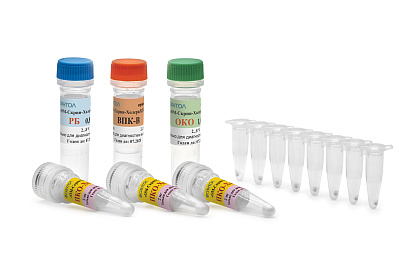
"OM-Screen-Cholera/Typhoid-RT" reagent kit for detection of DNA of the typhoid fever agent and toxigenic cholera strains
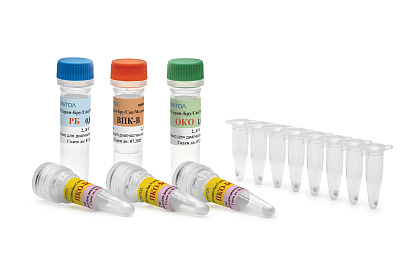
"OM-Screen-Brucellosis/Glanders/Melioidosis-RT" reagent kit for detection of DNA of the causative agents of brucellosis, glanders, and melioidosis
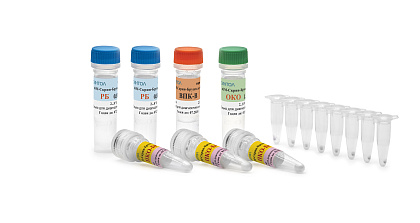
Reagent kit “OM-Screen Brucellosis-RT” for detection of DNA of brucellosis pathogens most pathogenic to humans (B. melitensis, B. abortus, B. suis and B. canis)
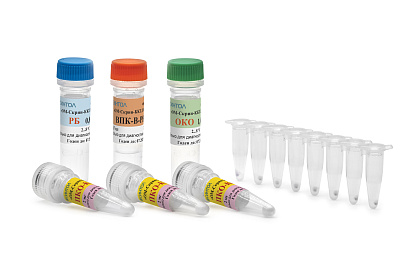
Reagent kit "OM-Screen-KKGL/Ku-RT"for detection of RNA virus Crimean-Congo hemorrhagic fever and DNA causative agent of Q fever
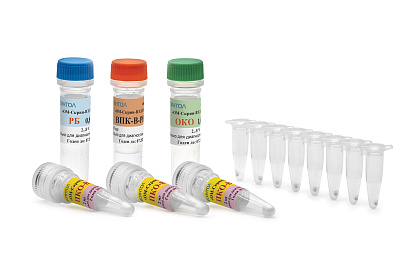
Reagent kit "OM-Screen-VEL/YaE-RT"for detection of RNA viruses Venezuelan equine encephalomyelitis and Japanese encephalitis
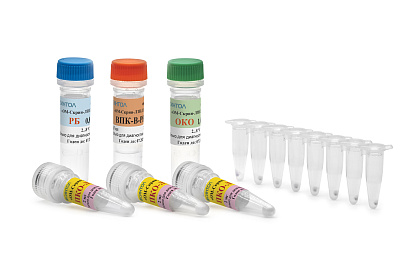
"OM-Screen-West Nile Fever/Rift Valley Fever-RT" reagent kit for detection of West Nile virus and Rift Valley fever virus RNA
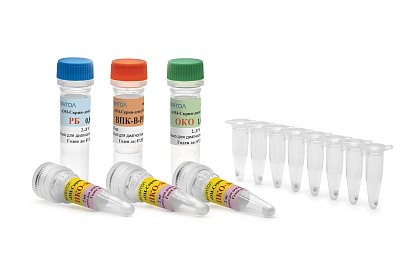
"OM-Screen-Dengue/Yellow Fever-RT" reagent kit for detection of dengue virus and yellow fever virus RNA
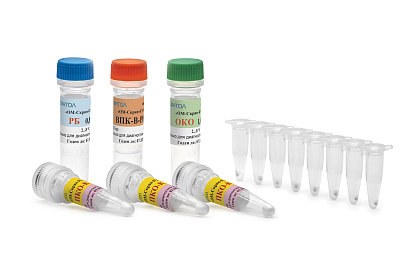
"OM-Screen-Tick-Borne Encephalitis-RT" reagent kit for detection of tick-borne encephalitis virus RNA
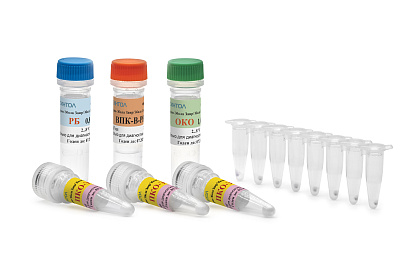
Reagent kit "OM-Screen-Ebola/Marburg-RT"for detection of RNA viruses Ebola and Marburg
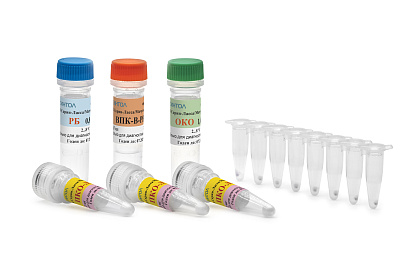
"OM-Screen-Lassa/Machupo/Junín-RT" reagent kit for detection of Lassa, Machupo, and Junín virus RNA
Move from the task to concrete resources
User Training
Practical user training for working with reagents, protocols and laboratory scenarios.
Open service↗Regulatory context and limitations
This section covers only the listed evidenced infections and pathogens and is not an exhaustive regulatory list. Registration status, sample types, performance characteristics, and diagnostic intended use belong to specific products. Virulence assessment is not claimed as a general capability of this area.
Select a solution
Primary actions: “Choose a pathogen,” “Select an assay,” “Open documents,” “Select DNA/RNA extraction,” and “Request training.”
Start a request