
Molecular diagnostics of animal infections
Molecular pathogen detection within the intended use of each assay
The SYNTOL portfolio includes molecular solutions for selected bacterial and viral agents in animals and bees. Depending on the target, methods include qPCR, RT-qPCR, and RT-LAMP. Pathogen, animal species, sample type, and diagnostic intended use are defined by the specific assay.
Selection is organized by evidenced pathogen groups. Each assay retains its own intended use, method, and supported sample types.
Evidenced tasks
- Brachyspira hyodysenteriae and Lawsonia intracellularis;
- bacterial respiratory pathogens in swine;
- sacbrood virus (SBV) in bees;
- pathogenic Leptospira;
- ASFV and CSFV;
- Influenza A virus;
- capripoxviruses;
- Brucella;
- BHV-1 and BLV in cattle.
Laboratory sequence
Assay-supported material
nucleic-acid extraction where required
qPCR / RT-qPCR / RT-LAMP
target-specific result
qPCR is used for DNA targets, RT-qPCR for selected RNA targets and BLV, and RT-LAMP in IsoTest-SBV.
Each assay has its own targets and intended use. Documentation for several Ampli-Vet assays explicitly supports veterinary laboratory or etiological diagnostics. This does not imply a shared registration status for the whole portfolio.
Products for key stages
The section includes 19 current products in 11 analytical families: VT-101, VT-102, IsoTest-SBV, and Ampli-Vet assays for leptospirosis, ASF, Influenza A, capripoxviruses, CSF, brucellosis, bovine rhinotracheitis, and bovine leukosis.
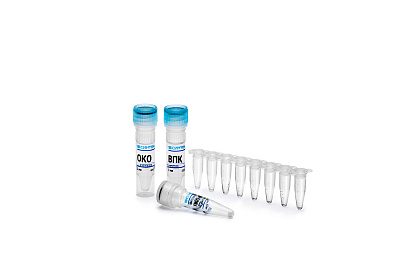
"Ampli-Vet-Leptospirosis" reagent kit (rigid strips)
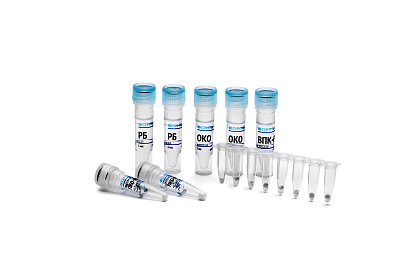
"Amli-Vet-Influenza A" reagent kit
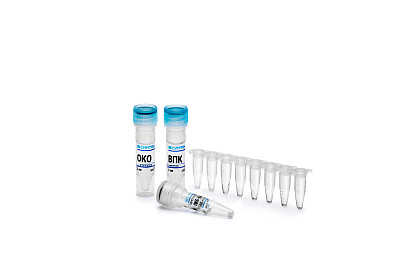
"Ampli-Vet-Capripoxviruses" reagent kit
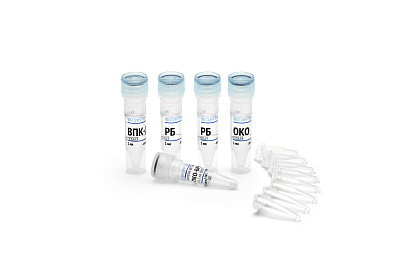
"Ampli-Vet-Brucellosis" reagent kit (form 2, flexible strips)
Move from the task to concrete resources
Qualitative detection of pathogenic Leptospira DNA
Open material↗User Training
Practical user training for working with reagents, protocols and laboratory scenarios.
Open service↗Scope and limitations
This section covers the listed evidenced infection groups and does not claim complete coverage of animal infections. Registration status, performance characteristics, and sample types belong to the specific assay. Results are not used here for treatment conclusions.
Select an assay
Primary actions: “Choose a pathogen,” “Select an assay,” “Check compatibility,” “Open documents,” and “Request training.”
Start a request