
Phytosanitary molecular diagnostics
From crop and pathogen to the appropriate laboratory test
SYNTOL solutions for plant-pathogen detection combine plant-sample preparation, nucleic-acid extraction, and target-specific qPCR or RT-qPCR. Product selection is most useful when it begins with the crop and suspected pathogen.
The Phytoscreen portfolio includes nucleic-acid extraction products and assays for specific plant-pathogen DNA or RNA targets. This page helps laboratories select a product by sample type, crop, pathogen group, and analytical method.
Laboratory tasks
- prepare plant material for nucleic-acid extraction;
- select manual or automated extraction;
- process difficult plant samples and, for relevant products, soil or humic-acid-rich matrices;
- detect DNA from bacterial, fungal/oomycete, or nematode plant pathogens;
- detect viral or viroid RNA by RT-qPCR;
- select an assay by crop and target pathogen;
- verify compatibility of a specific assay with laboratory equipment.
Analytical sequence
Sample preparation
Homogenization and buffer treatment are used where required.
Nucleic-acid extraction
Depending on the sample, laboratories may use FitoSorb, FitoSorb-P, Phytoscreen-Express, CytoSorb, or documented automated formats.
Automation
Specific products document platforms including KingFisher Flex and TECAN.
Target detection
qPCR is used for DNA targets and RT-qPCR for RNA targets where specified by the kit.
The portfolio combines several nucleic-acid extraction options with a broad PH/PV assay series. It includes products for bacteria, fungi and oomycetes, nematodes, viruses and viroids across agricultural, ornamental and woody plant groups.
Key methods include plant-sample preparation and homogenization, DNA/RNA extraction, extraction automation, qPCR, and RT-qPCR.
Products for key stages
Nucleic-acid extraction options include FitoSorb, Phytoscreen-Express, CytoSorb, and automated variants. PH/PV assays are grouped by crop and pathogen; PH-001, PH-100m, PV-005, and PH-072 illustrate different task types without turning the page into a complete product list.
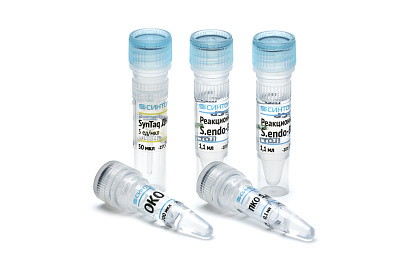
Reagent kit "Synchytrium endobioticum-RT"for detection of DNA causative agent of raka potato
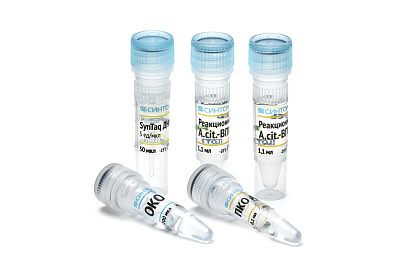
Reagent kit "Acidovorax citrulli-RT"
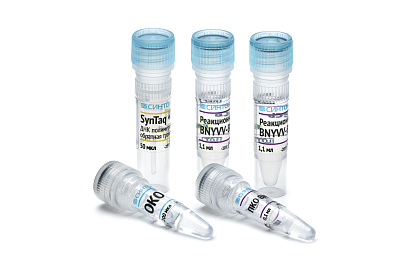
Reagent kit "Beet necrotic yellow vein virus-RT"
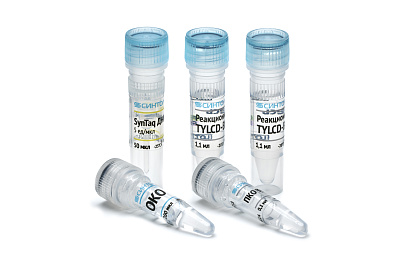
"Tomato yellow leaf curl disease-RT" reagent kit for detection of begomovirus DNA associated with tomato yellow leaf curl disease
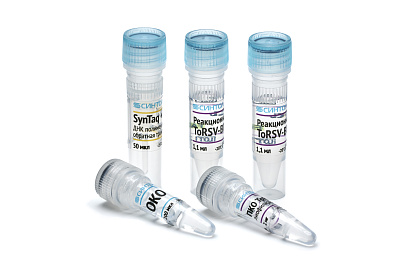
Reagent kit "Tomato ringspot virus-RT"for detection of RNA virus ring spot tomato
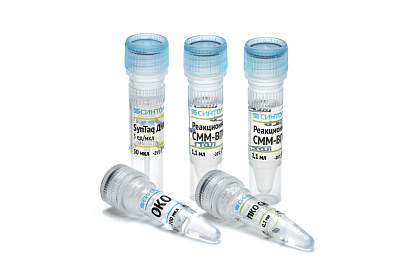
Reagent kit "Clavibacter michiganensis subsp.michiganensis-RT"
Show current assortment94
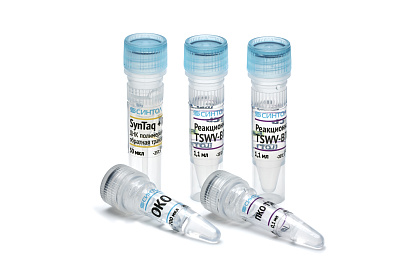
"Tomato spotted wilt virus-RT" reagent kit for detection of tomato spotted wilt virus RNA
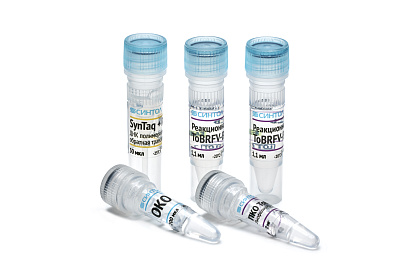
"Tomato brown rugose fruit virus-RT" reagent kit for detection of tomato brown rugose fruit virus RNA
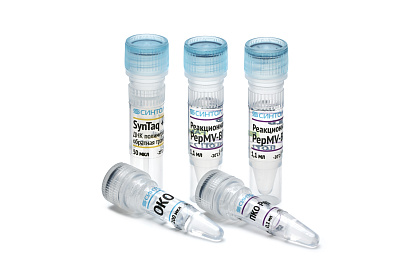
Reagent kit "Pepino mosaic virus-RT"
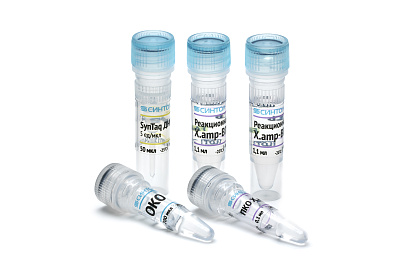
"Xylophilus ampelinus-RT" reagent kit for detection of DNA of the causative agent of bacterial wilt of grapevine
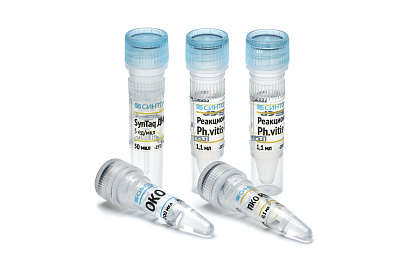
"Candidatus Phytoplasma vitis-RT" reagent kit for detection of DNA of the phytoplasma associated with flavescence dorée of grapevine
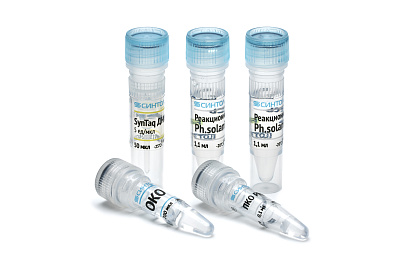
Reagent kit "Candidatus Phytoplasma solani-RT"
Move from the task to concrete resources
“Phytoscreen” – technology for rapid molecular genetic diagnostics of plant diseases
Open material↗User Training
Practical user training for working with reagents, protocols and laboratory scenarios.
Open service↗Regulatory context and limitations
Sensitivity, specificity, and turnaround depend on the specific assay and protocol. Quarantine status, geographic distribution, and regulatory status of a pathogen are stated only from a dated authoritative source.
Select a test
Primary action: “Select a test by crop and pathogen.” Additional actions: “Select a nucleic-acid extraction method,” “Check equipment compatibility,” and “Request training.”
Start a request